
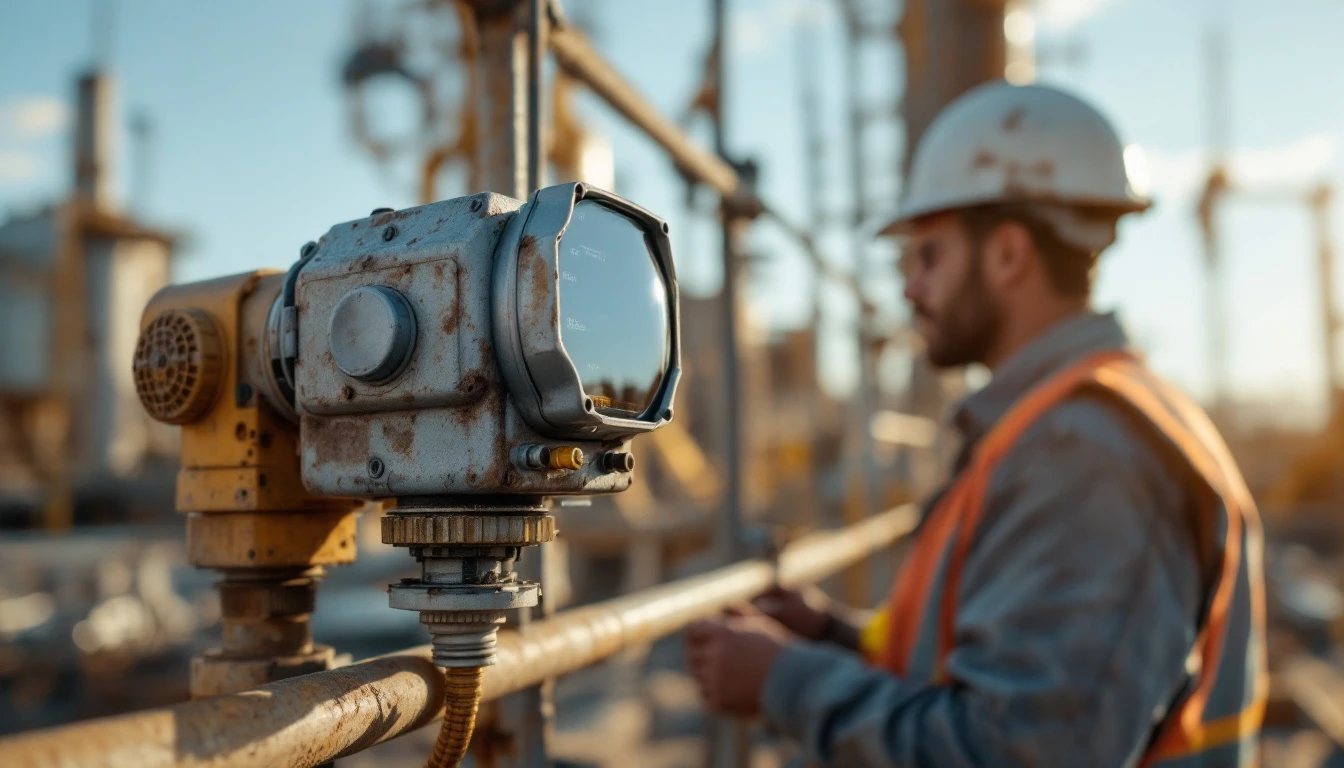
Heat-Related Illness Threat in August
August brings peak heat conditions that put outdoor workers at serious risk of heat exhaustion, heat stroke, and dehydration. Modern worker safety monitoring software deployed during these peak months can catch heat stress before symptoms become dangerous, protecting your crew and reducing liability.
August represents peak heat-stress season
August delivers the year's most dangerous heat conditions for outdoor crews and warehouse teams. When temperatures climb and humidity stays high week after week, the body's cooling systems struggle to keep up, turning routine tasks into medical risks.
Heat-related illness spikes during these summer months, creating serious liability exposure for employers.
A missed warning sign can escalate from fatigue to emergency in minutes, leaving managers facing workers' comp claims, OSHA scrutiny, and the lasting cost of preventable injury.
Frontline teams face rapid symptom progression
Heat exhaustion can escalate to heat stroke in minutes, not hours. Frontline managers often learn someone is in distress only after a coworker notices confusion, stumbling, or collapse—when the window for prevention has already closed.
Early detection becomes the difference between a cool-down break and a medical emergency.
Real-time employee safety tracking systems flag rising core temperature and heart rate before visible symptoms appear, alerting managers to workers who need intervention now—not after the situation becomes critical.
Geofencing and Real-Time Tracking for Worker Safety
Geofencing creates invisible boundaries around the hottest zones on your site—loading bays, asphalt areas, furnace rooms, or rooftop work spaces. When a worker enters one of these high-heat zones, the system logs their location and begins tracking their exposure time. At the same moment, wearable sensors stream live data: core temperature, heart rate, exertion level, and hydration status. These two streams of information work together to build a picture of risk in real time.
The system isn't watching to catch mistakes. It's watching to catch warning signs before they matter. When a worker's heart rate climbs while they're stationed in Zone 3 and their hydration indicator drops, the platform sends an alert to the frontline manager: "Worker in Zone 3, heart rate improved, exertion high, hydration status low." That's not surveillance data—it's safety data, and it arrives in time to act.
Here's what it looks like in practice: A warehouse manager sees the alert on her phone at 2:15 p.m. She radios the worker, pulls him into the break room, hands him water, and gives him fifteen minutes in the air conditioning. He feels fine—maybe a little warm—but the data caught what his self-assessment missed. By 2:45 p.m., he's back on the floor. No collapse, no ambulance, no incident report.

Critical Safety Metrics to Monitor
Worker safety monitoring software tracks four physiological indicators that predict heat stress before a worker collapses. Each metric reveals a different piece of the puzzle, so managers get the full picture of who needs help and when.
- Hydration status measures fluid deficit as workers sweat through a shift. When deficit crosses 5%, alertness drops and core temperature climbs faster. Real-time tracking catches this at the warning stage, prompting a water break before symptoms appear.
- Core temperature shows heat accumulation in the body. A threshold of 38.5°C triggers an alert, signaling that the worker's cooling system is falling behind their metabolic load. Combined with exertion rate data — which tracks how hard someone is working — managers can see when physical demand outpaces the body's ability to dissipate heat.
- Heart rate variability and recovery time reveal cardiovascular strain. Sustained heart rate above 120 bpm or sluggish recovery after exertion means the body is struggling. Time-in-zone duration prevents extended exposure: if someone spends too long in a high-heat area, an alert fires even if other metrics look normal.
These thresholds catch problems early — when rest, shade, and water can fix them — not at the crisis stage when an ambulance is the only option.
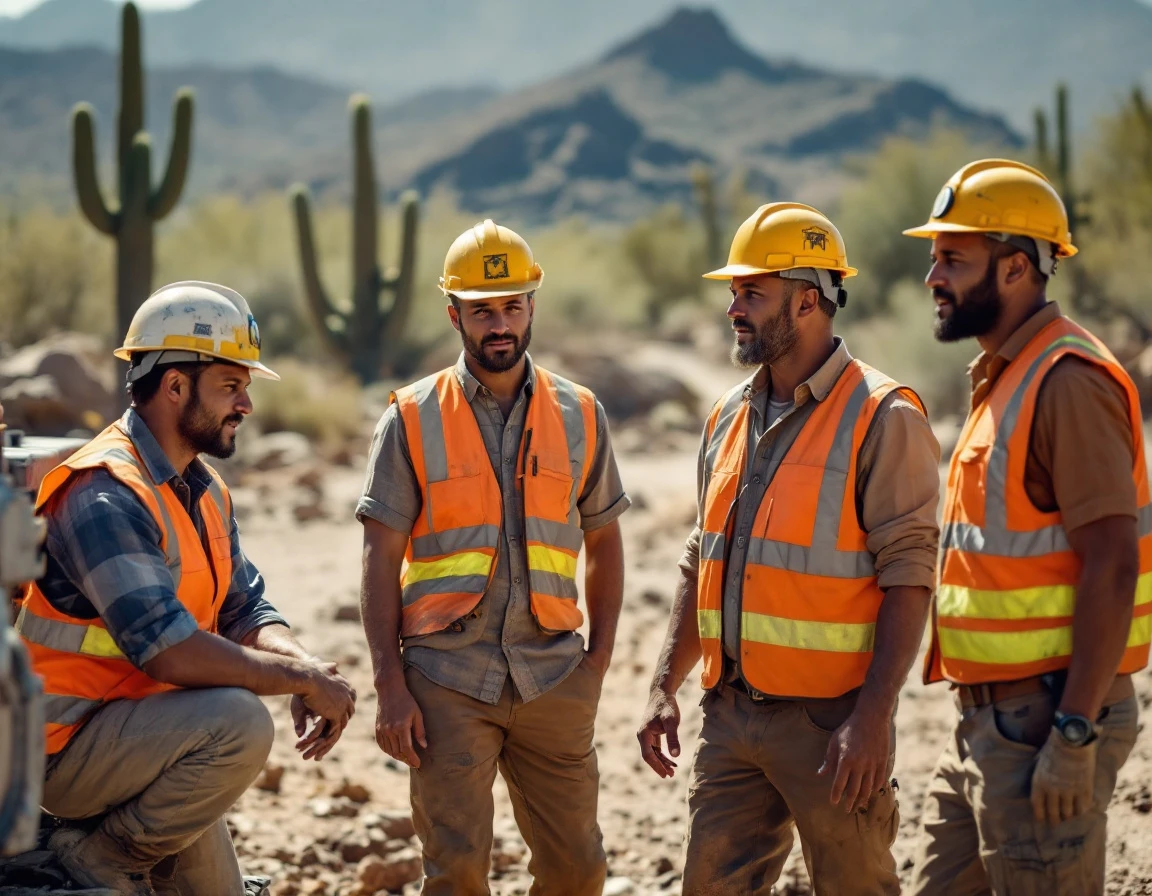
Deployment Timeline for August Peak Season
Waiting until mid-August to deploy heat-related illness prevention tools means missing the highest-risk weeks entirely. Your setup starts the first week of the month: install the PalmPuffin app on manager devices, calibrate geofences around outdoor zones and loading docks, and configure alert thresholds for temperature and exertion. This takes a few hours, not days.
Within 48 hours, complete your team briefing. Explain to workers that monitoring exists to protect them. Not track their every move. Frame it as early warning for heat stress, the same way a smoke detector alerts you before a fire spreads. Managers should understand how alerts appear and what intervention looks like: rest breaks, hydration stations, rotation out of high-heat zones.
By day three, first-response protocols go live. When an alert fires, managers know exactly what to do: check in with the worker, offer water and shade, and log the intervention. This simple workflow prevents escalation.
Reducing even one heat-related incident saves five-figure costs in medical bills, worker compensation claims, and liability exposure. Early August deployment protects your team and your budget when it matters most.
Incident Reduction and Compliance Results
Teams that deploy real-time monitoring and geofencing during peak months see 40–60% fewer heat-stress incidents when compared to visual-check-only operations. The mechanism is clear: when alerts flag improved core temperature or dehydration before symptoms become visible, managers intervene with rest and hydration before a crisis unfolds. Fewer crises mean fewer emergency calls, fewer hospital transports, and lower worker comp claims.
Beyond immediate safety gains, geofenced compliance logs document every alert, every response, and every intervention. When auditors or regulators review your heat-illness prevention program, timestamped records of proactive monitoring strengthen your legal standing and demonstrate a commitment to early detection rather than reactive response.
These results are achievable by August 2026—peak season for heat exposure—if you begin deployment now. Every prevented incident delivers immediate return on your safety investment, protects the people on your team, and reduces your liability exposure when temperatures climb. Implement real-time monitoring this summer to keep your crew safe and your compliance position strong.